 Türkçe

Guidance/Consultancy Activity for the Development of a Quality Culture (dated 09 April 2026 and numbered 2026-07)

Social Impact and Quality-Oriented Future: Guidance Session at the Faculty of Humanities and Social Sciences
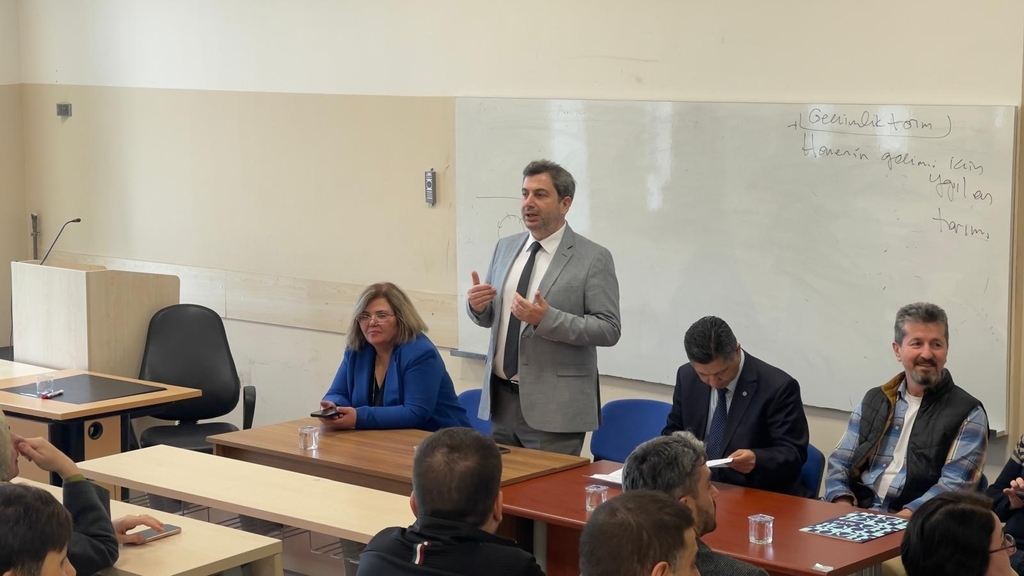
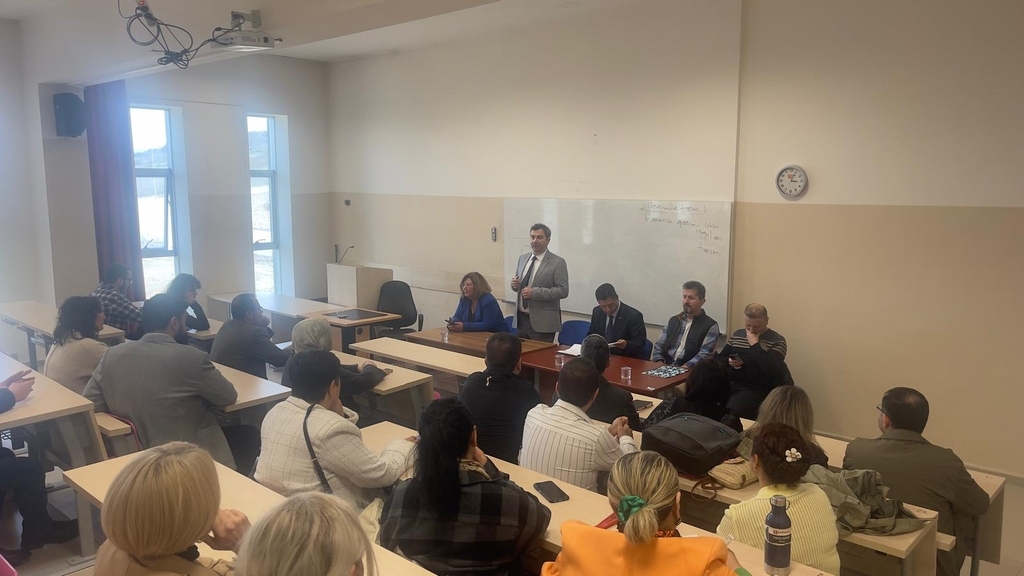
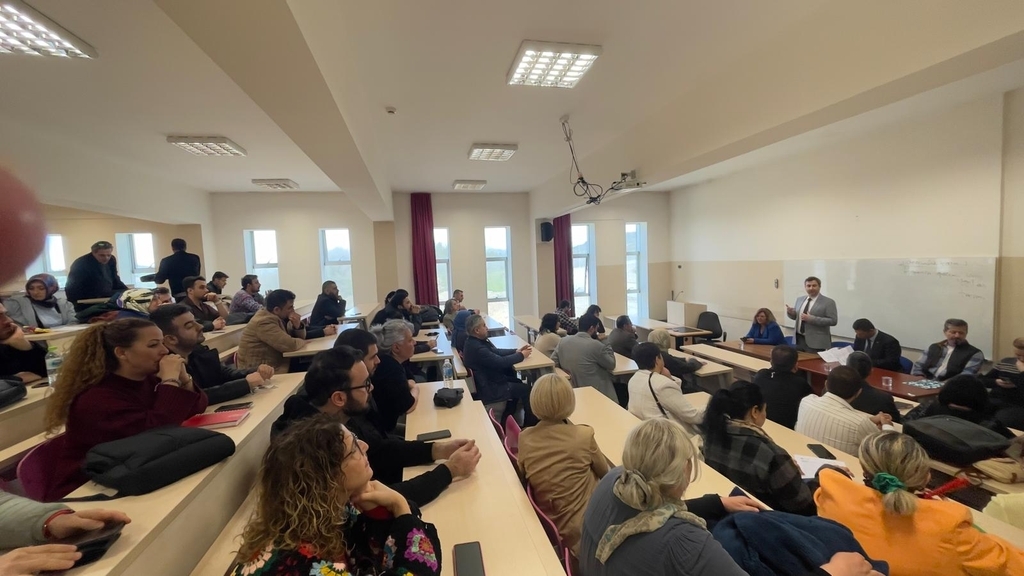
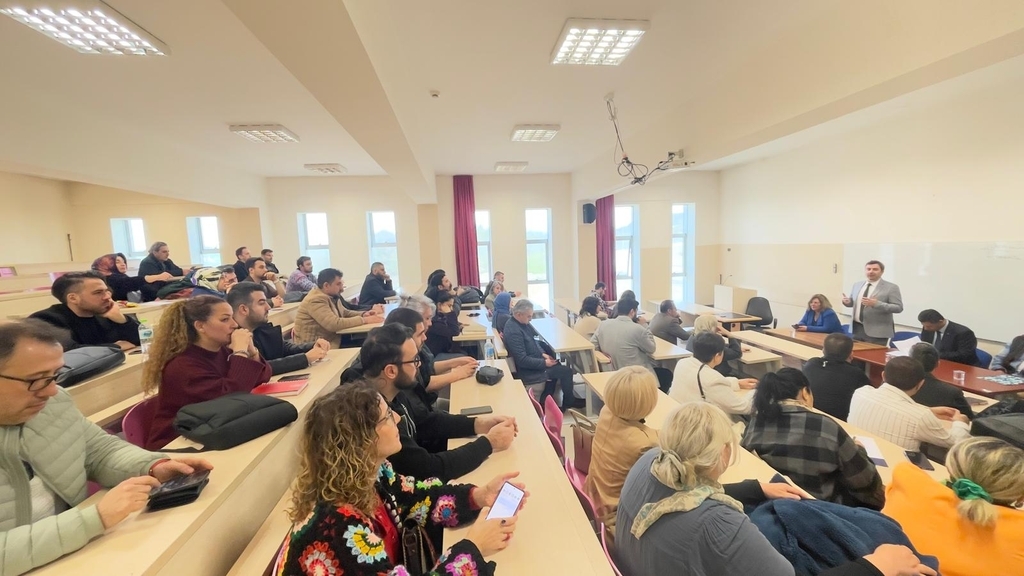
The unit-based visits conducted within the scope of our University’s May 2026 Institutional Accreditation target reached their seventh stop at the Faculty of Humanities and Social Sciences.
During the visit held on 09 April 2026, the message that quality is not merely a technical dataset but an institutional “contract” was strongly emphasized.
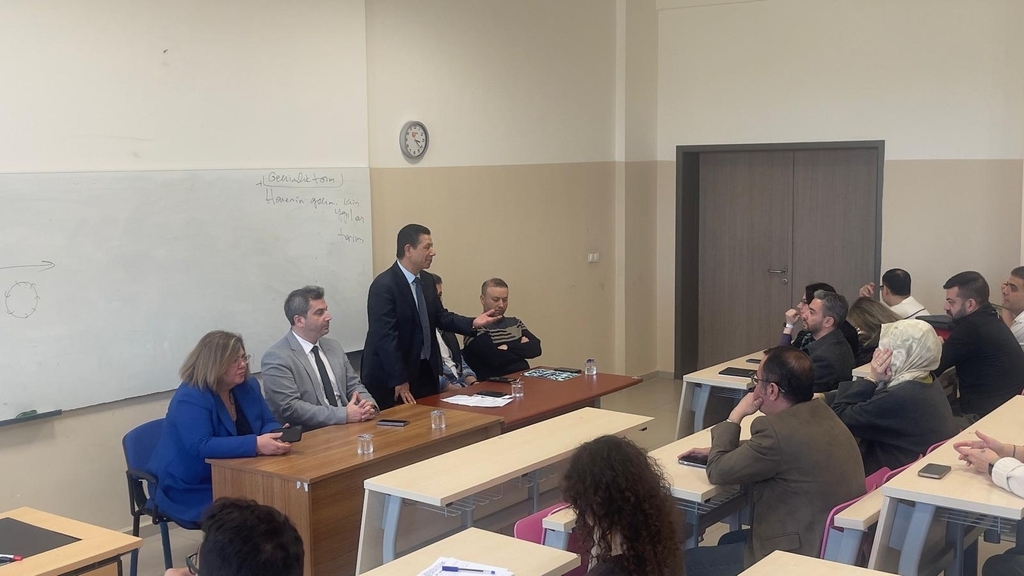
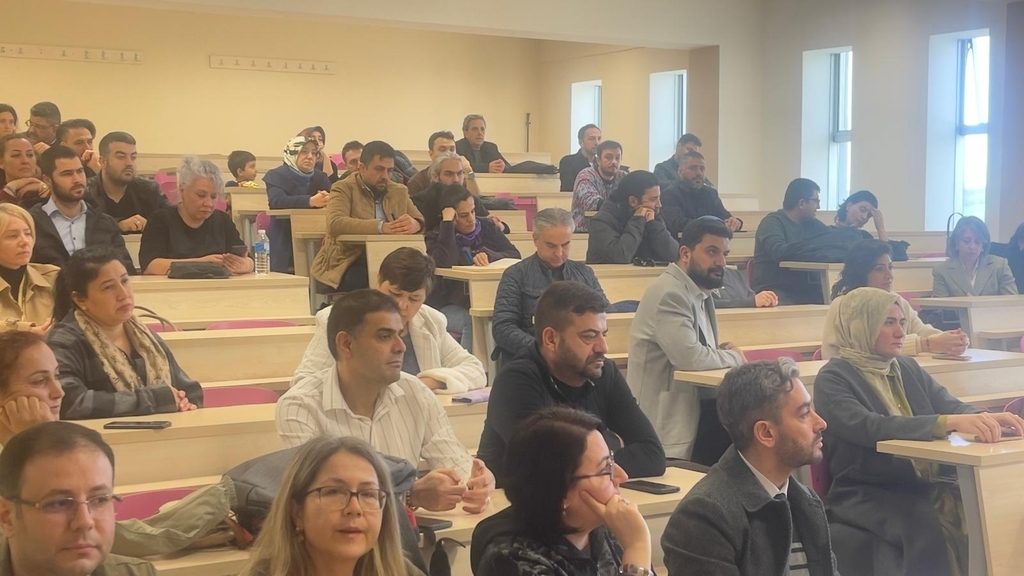
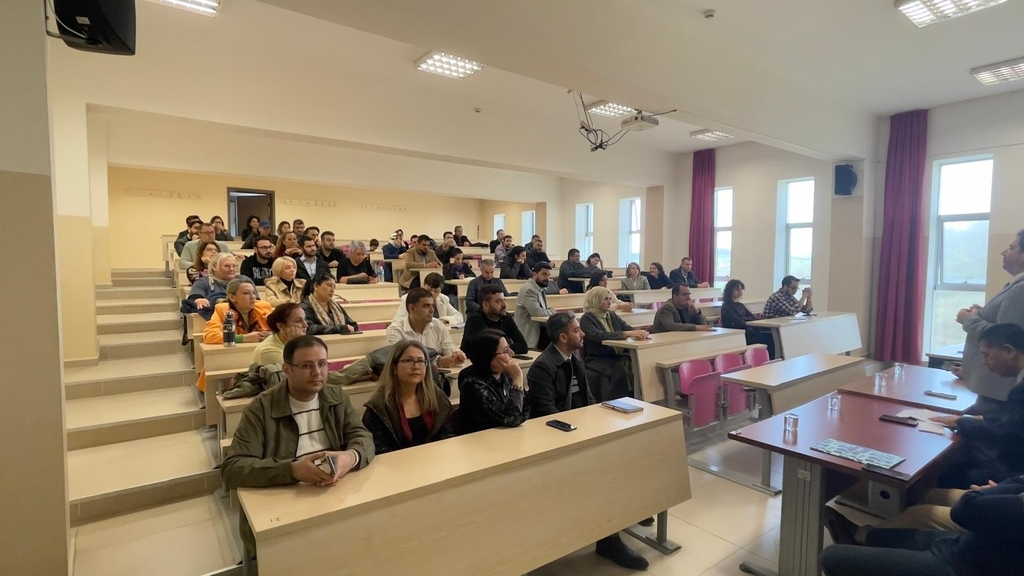
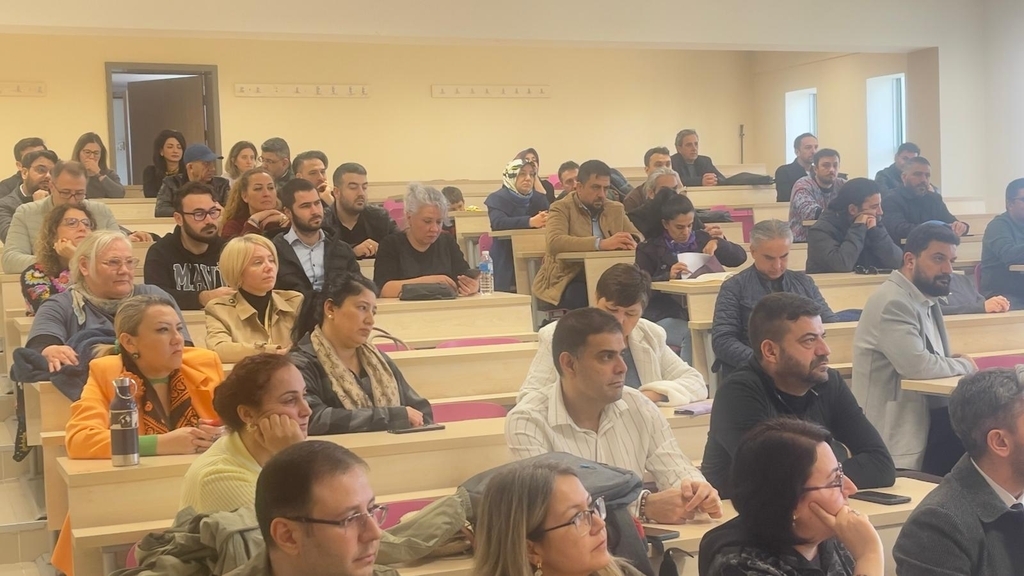
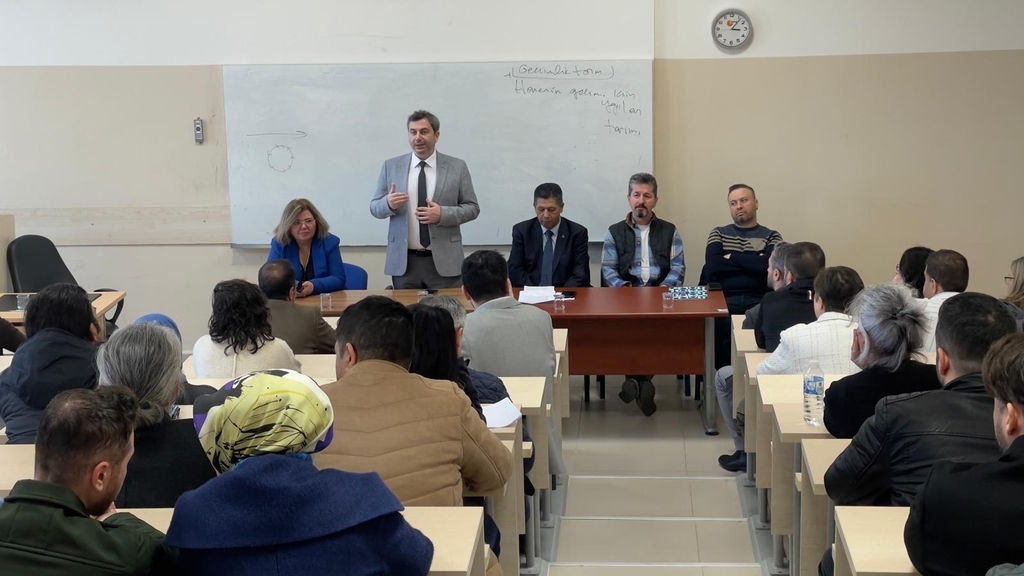
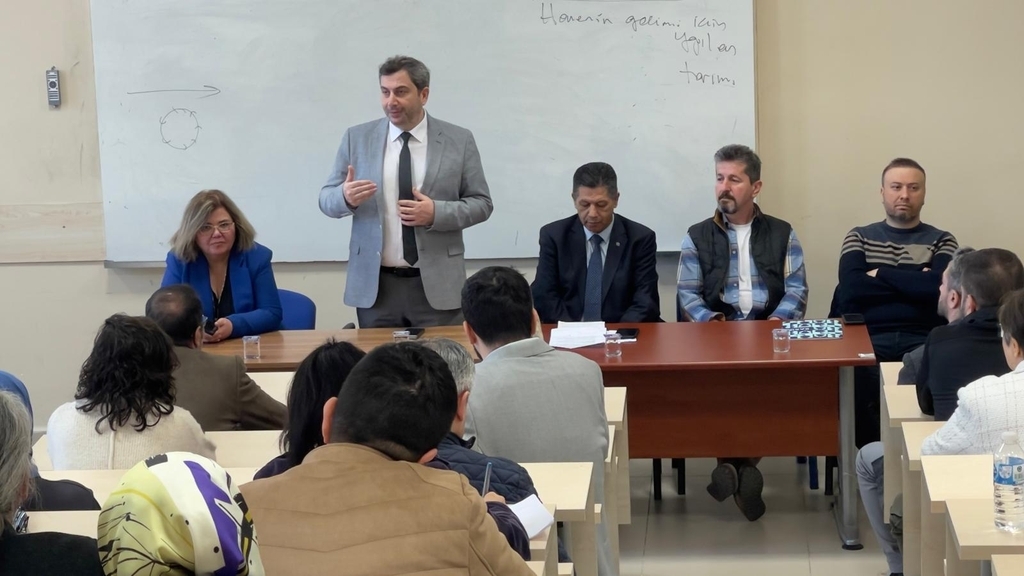
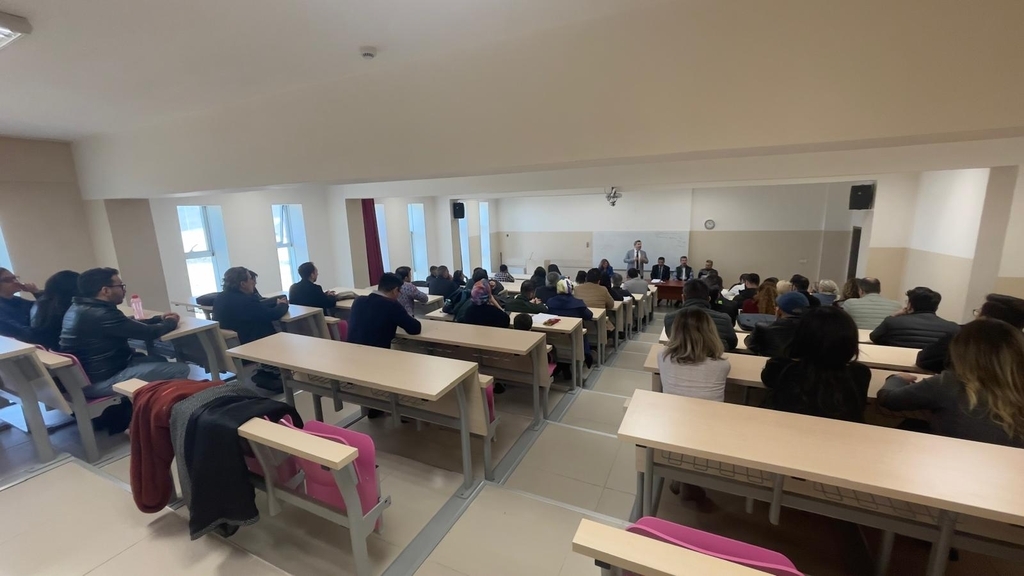
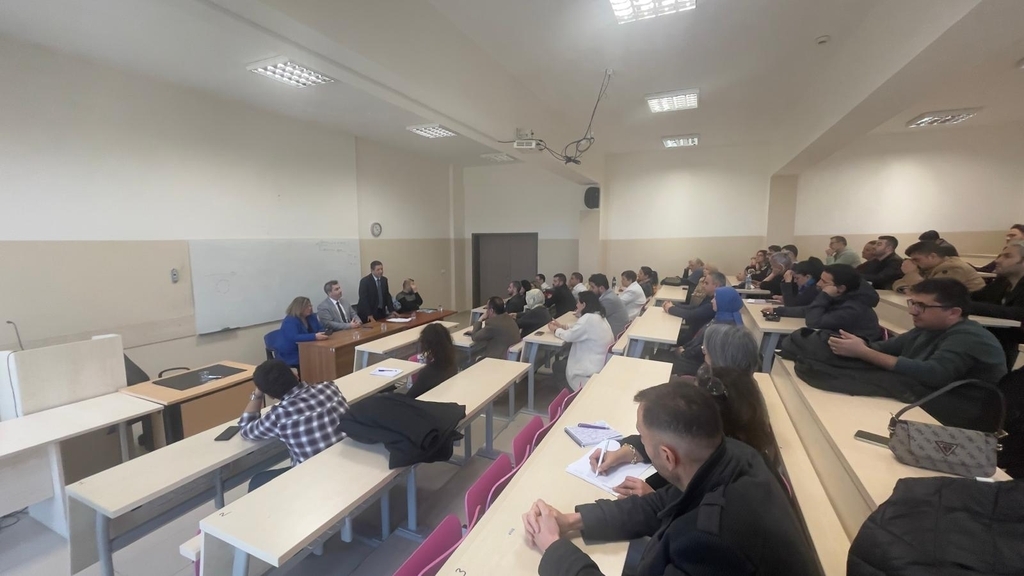
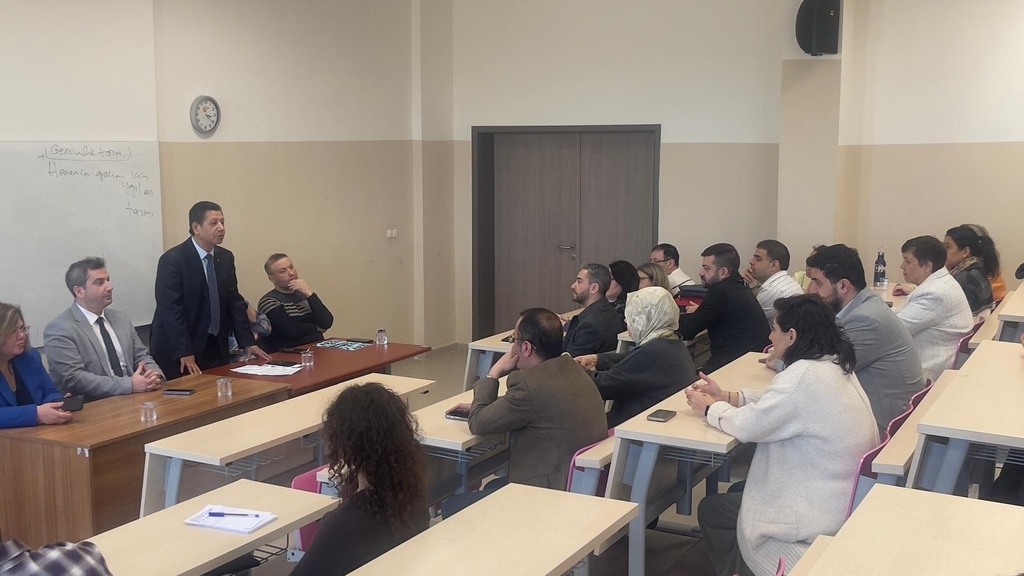
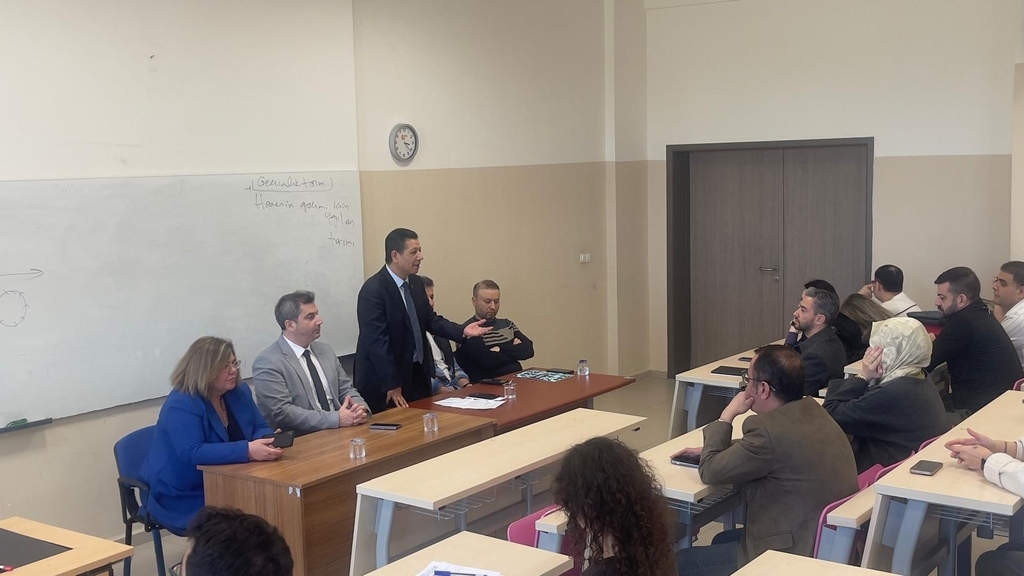
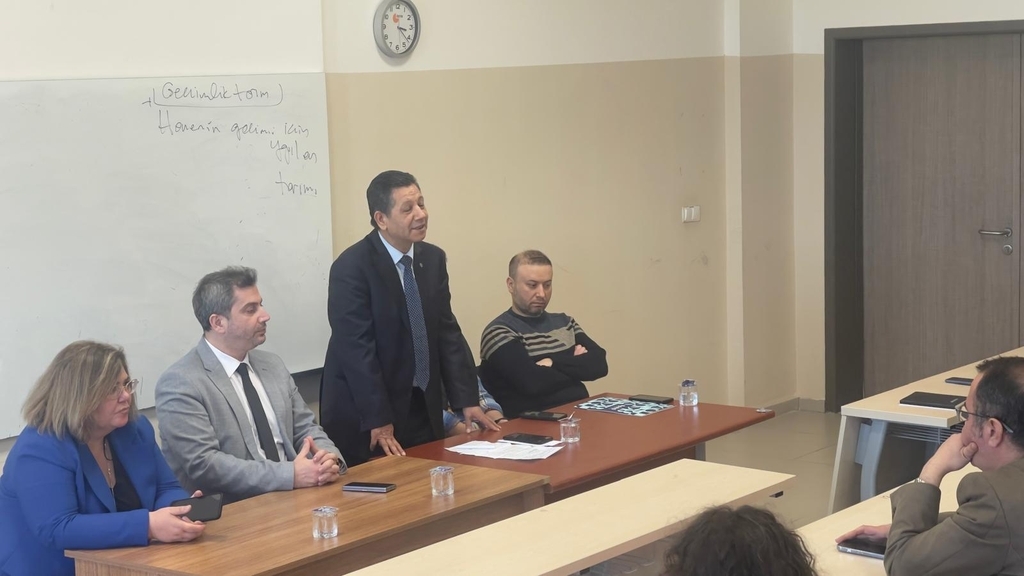
Under the leadership of Vice Rector Prof. Dr. Zafer Ceylan, the quality team completed its program through two intensive sessions with the participation of 60 academic staff members:
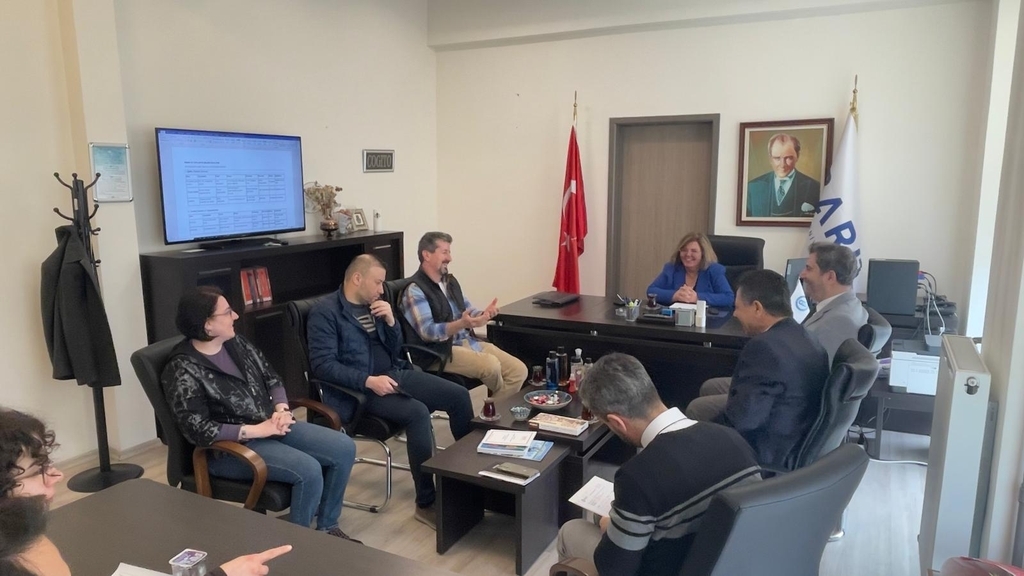
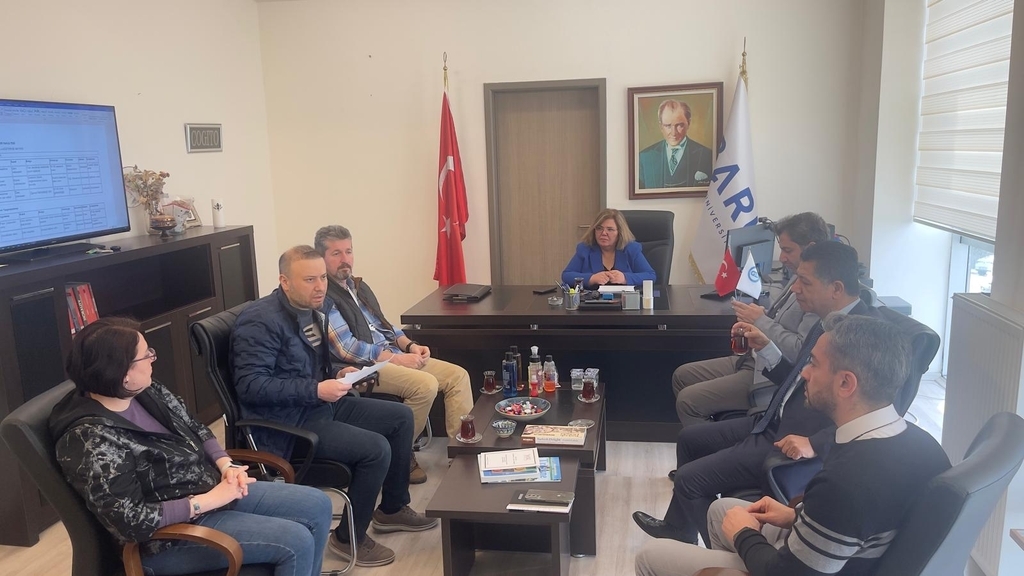
Managerial Vision and Coordination (14:30–15:00):
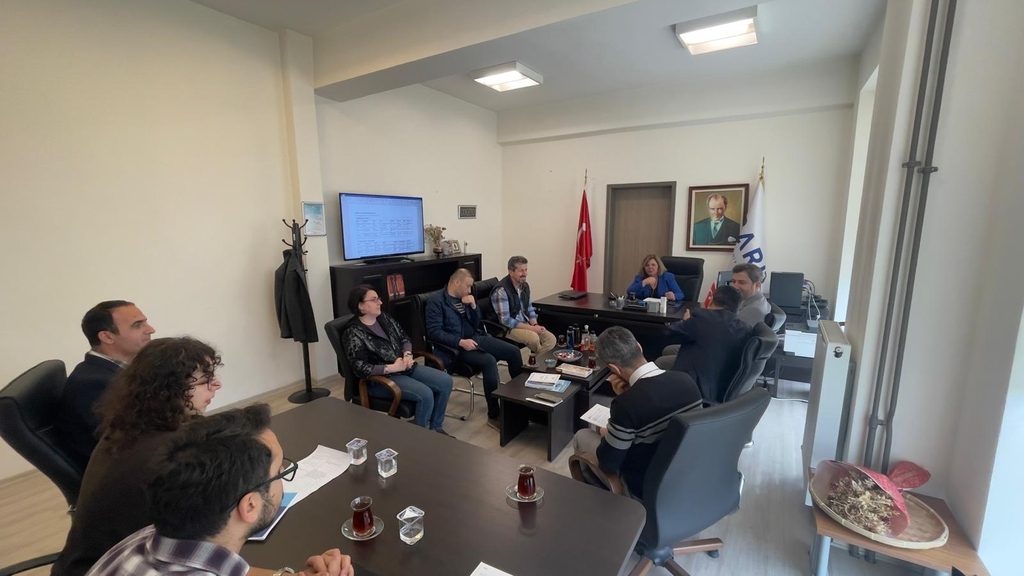
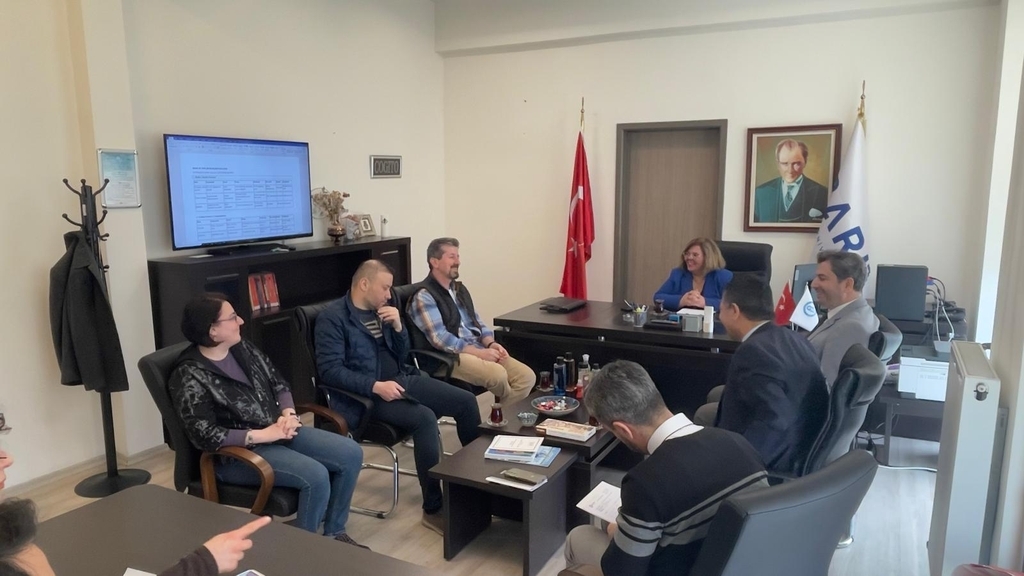
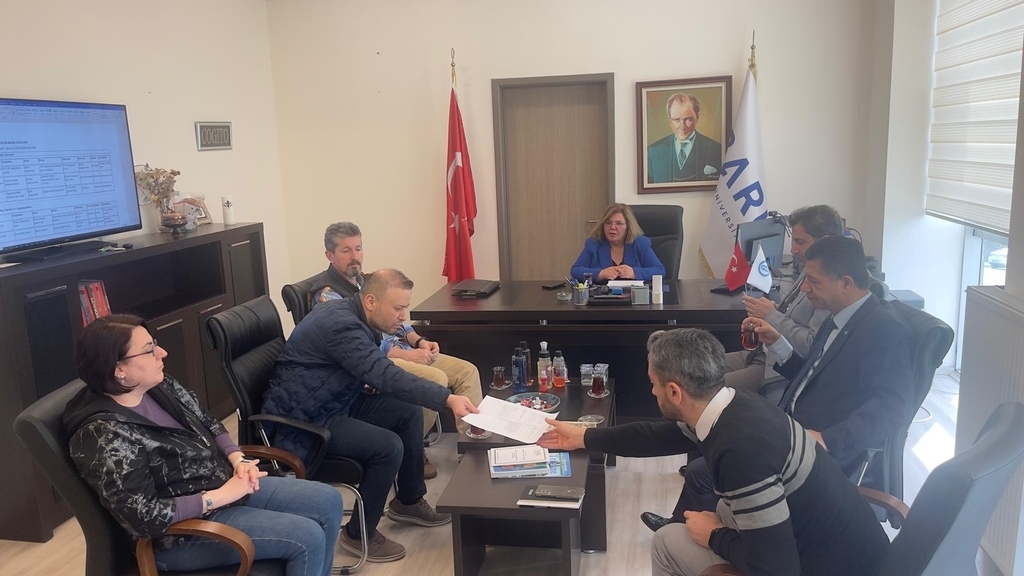
In the meeting held with the faculty administration, a strategic evaluation was conducted regarding the transparency of administrative processes and the alignment of internal communication channels with accreditation standards.
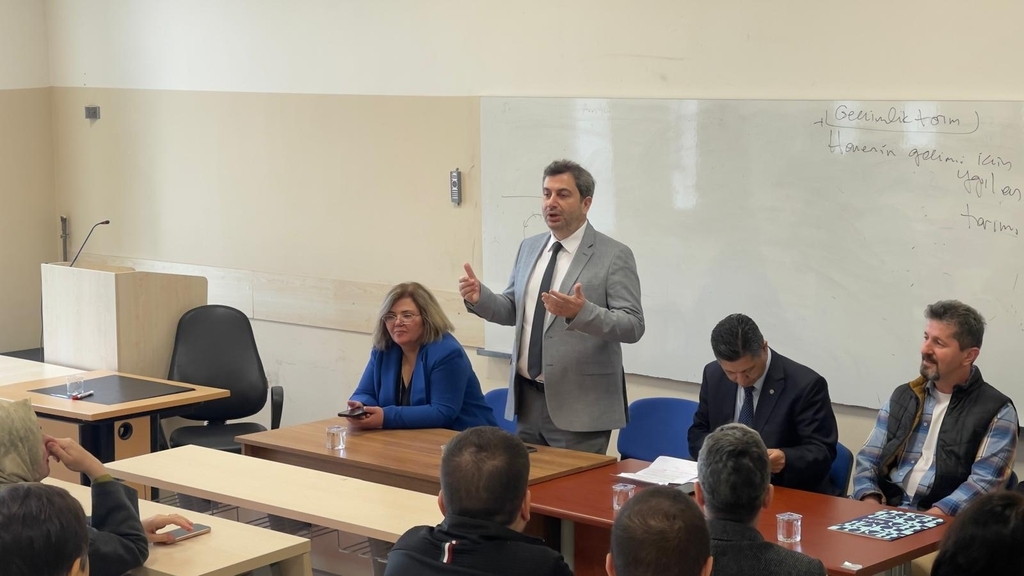
Academic Quality and Evidence-Based Evaluation (15:00–16:30):
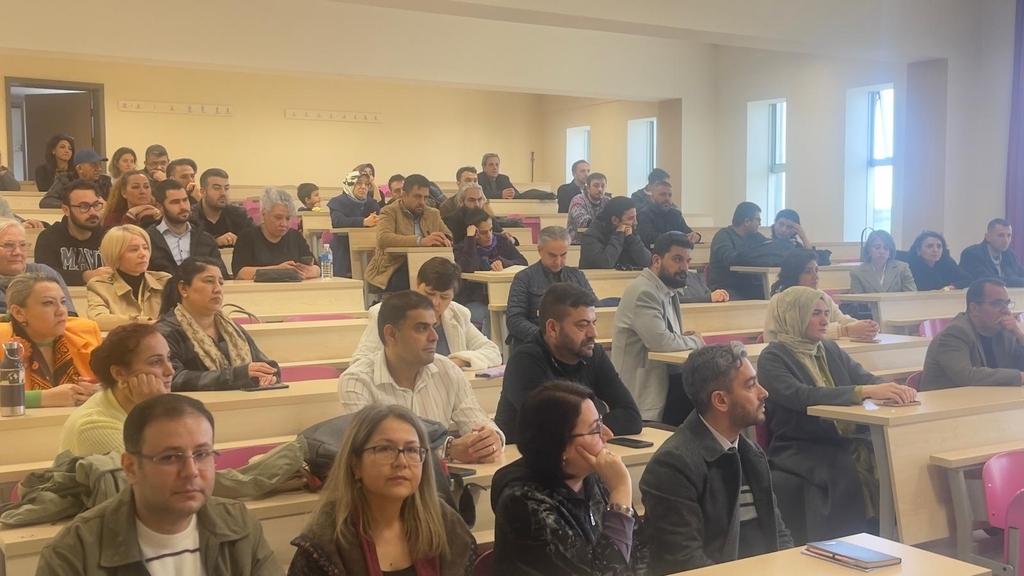
In this session with academic staff, discussions focused on how educational quality can be supported through measurable evidence such as reporting, survey analysis, and output tracking.
During the meeting, the relationship between the academic disciplines of the Faculty of Humanities and Social Sciences and the quality cycle was structured around the following themes:
- Course Information Packages: It was emphasized that course contents should not only deliver knowledge but also equip students with competencies addressing societal needs. The importance of aligning each learning outcome in course information packages with assessment tools such as exams and assignments was highlighted.
- Evidence-Based Improvement: It was stated that reporting is essential for making achievements in social sciences visible. End-of-term evaluation reports were described as a “mirror” and the most powerful instrument for identifying areas for improvement.
- Standardization in Processes: It was shared that the use of process handbooks, which facilitate academic and administrative operations, would minimize error rates and strengthen institutional memory.
“Accreditation is not a destination; it is the natural course of our pursuit.”
Fotoğraflar