 Türkçe

Guidance/Consultancy Activity for the Development of a Quality Culture (dated 09 April 2026 and numbered 2026-06)

Academic Integration in the Quality Journey: Guidance Activity at the Faculty of Theology
The guidance and consultancy mobilization carried out in line with our University’s Institutional Accreditation vision targeted for May 2026 continues with the Faculty of Theology. Following the Faculties of Science, Forestry, Education, Sport Sciences, and Economics and Administrative Sciences, the Faculty of Theology represents the sixth stop of the process, where quality was emphasized not only as a technical requirement but also as a sense of “responsibility.”
In the program held on 09 April 2026, a comprehensive roadmap was developed for the integration of traditional academic knowledge with modern quality assurance systems.
Efficiency-Oriented Time Management
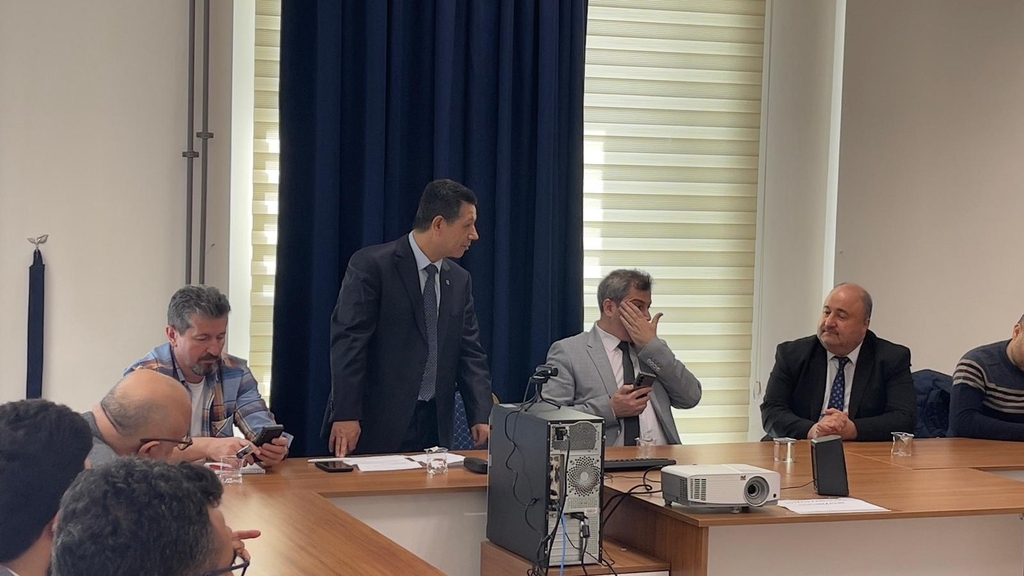
Under the coordination of Vice Rector Zafer Ceylan, the quality team conducted its activities at the Faculty of Theology through a two-stage schedule:
Strategic Planning and Management Meeting (10:30–11:00):
In the consultation held with the faculty administration, the alignment of unit-based objectives with the University’s overall strategic plan and issues related to managerial transparency were discussed.
Academic Development and Quality Assurance Session (11:00–12:30):
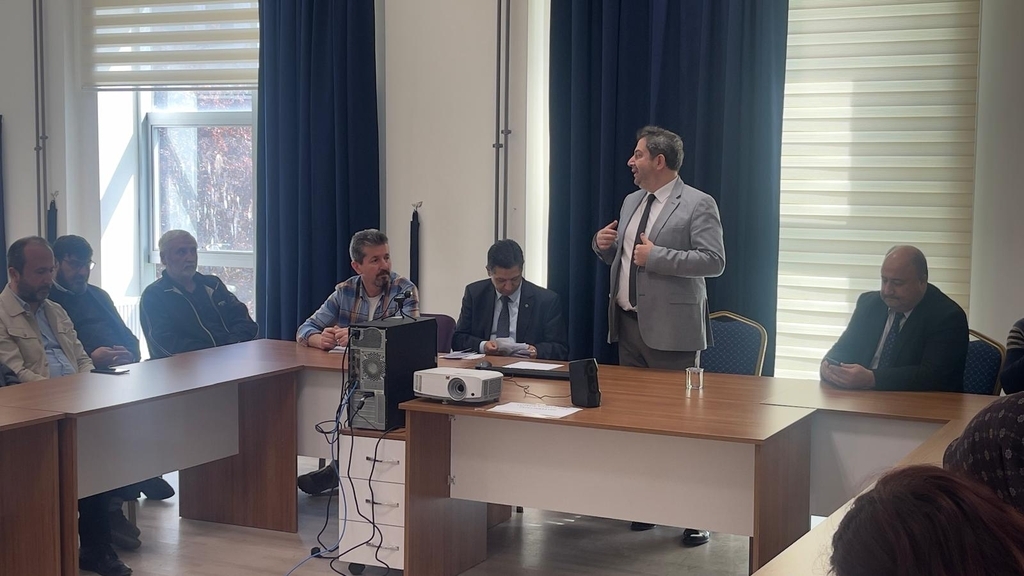
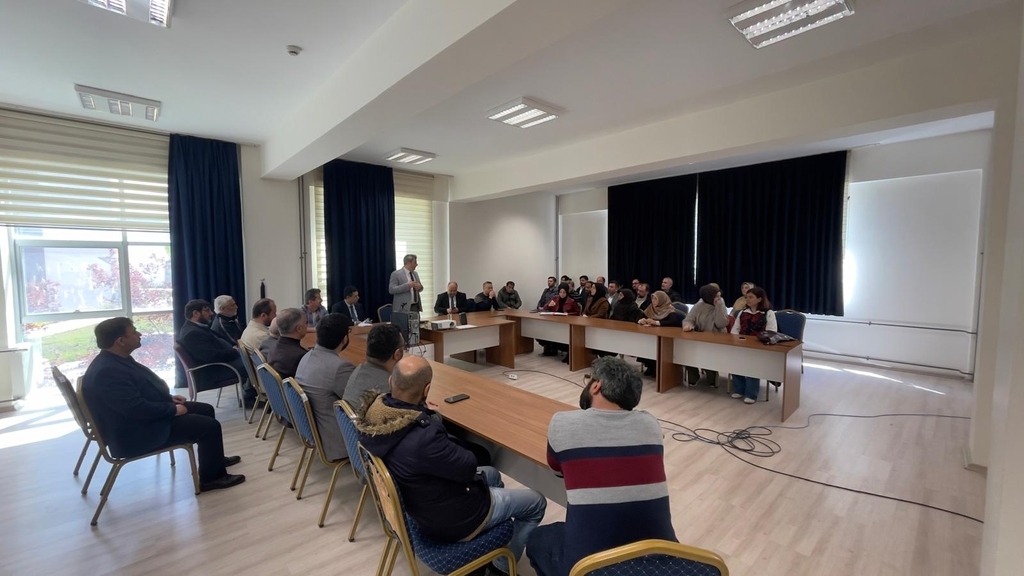
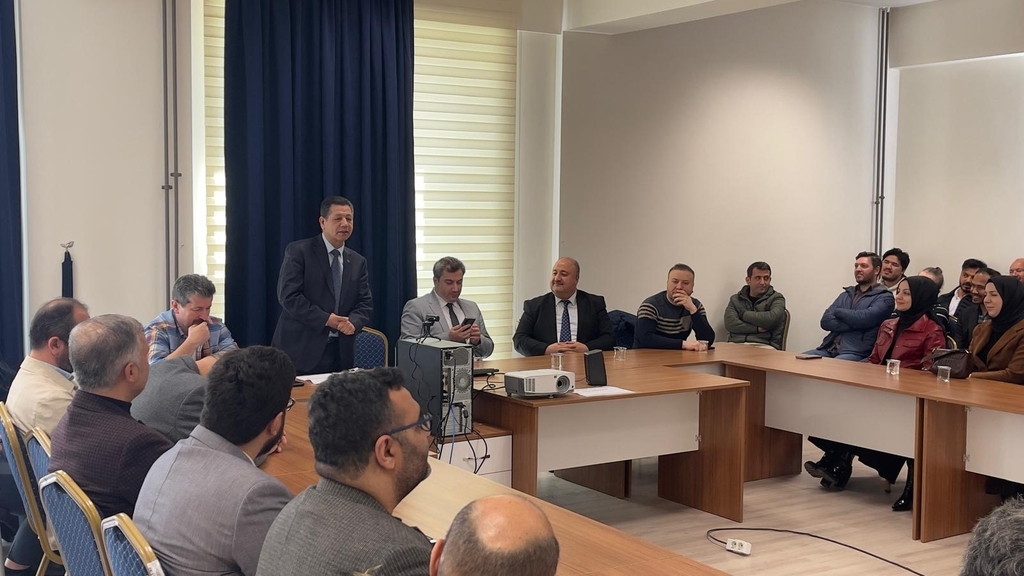
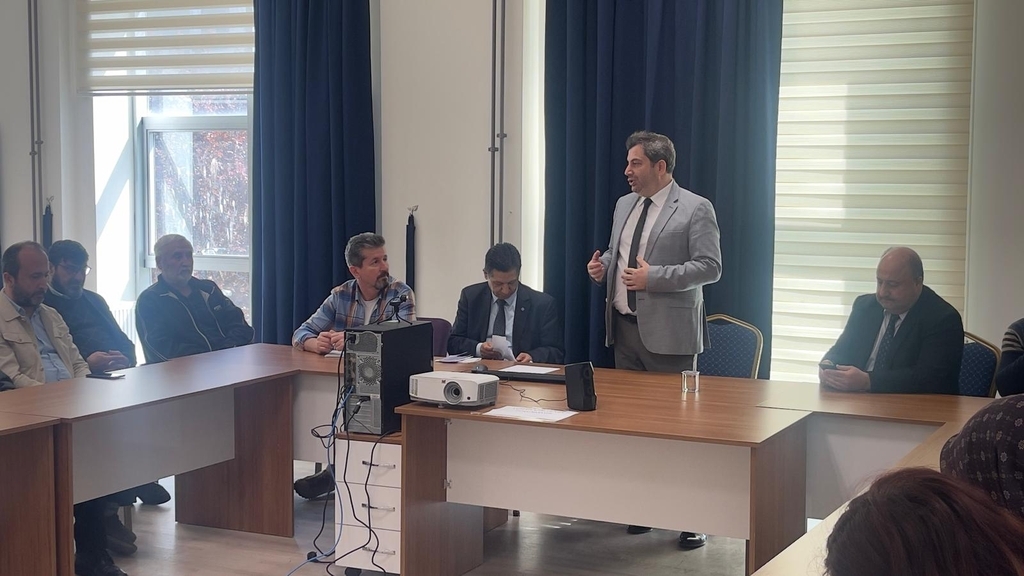
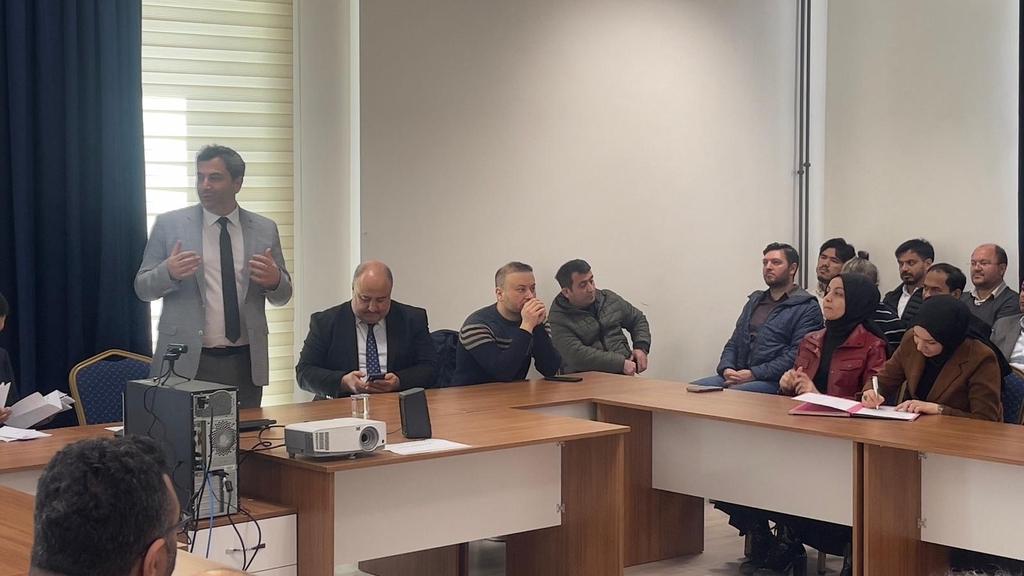
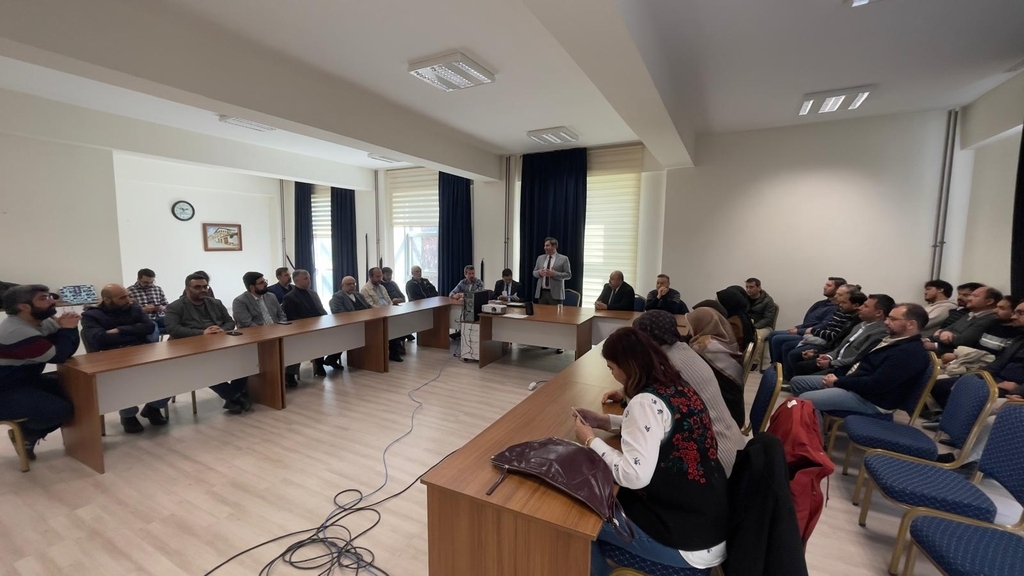
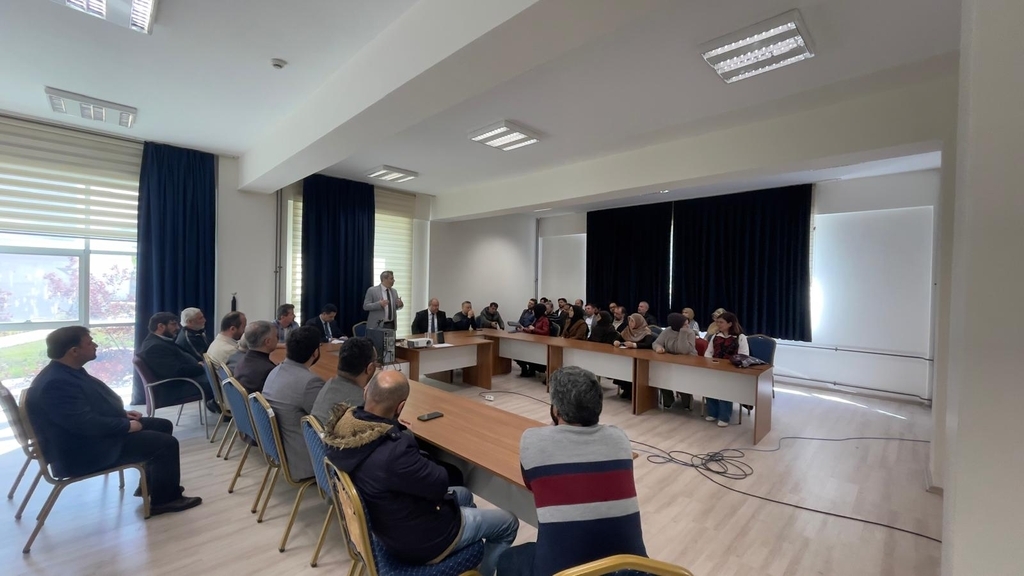
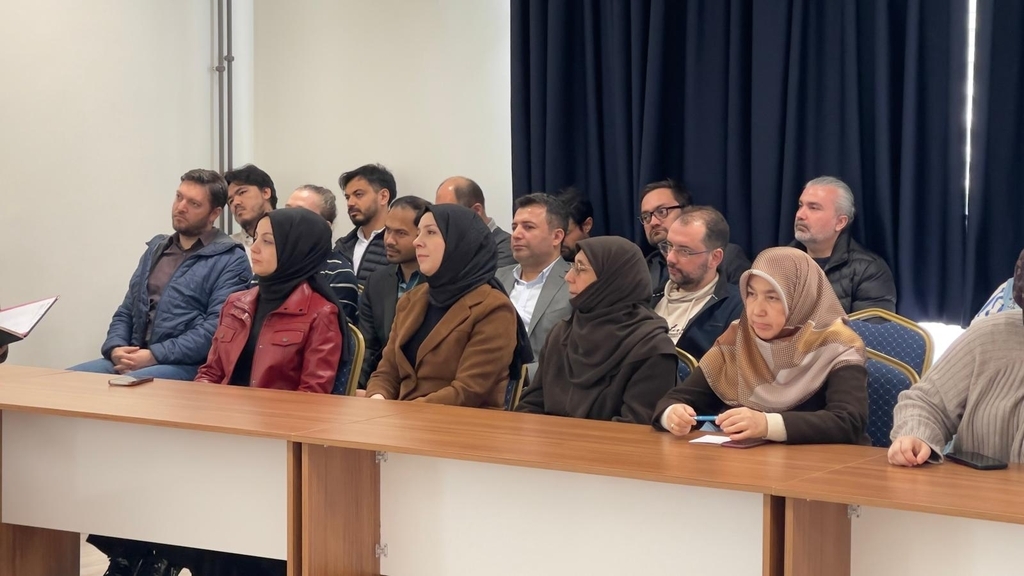
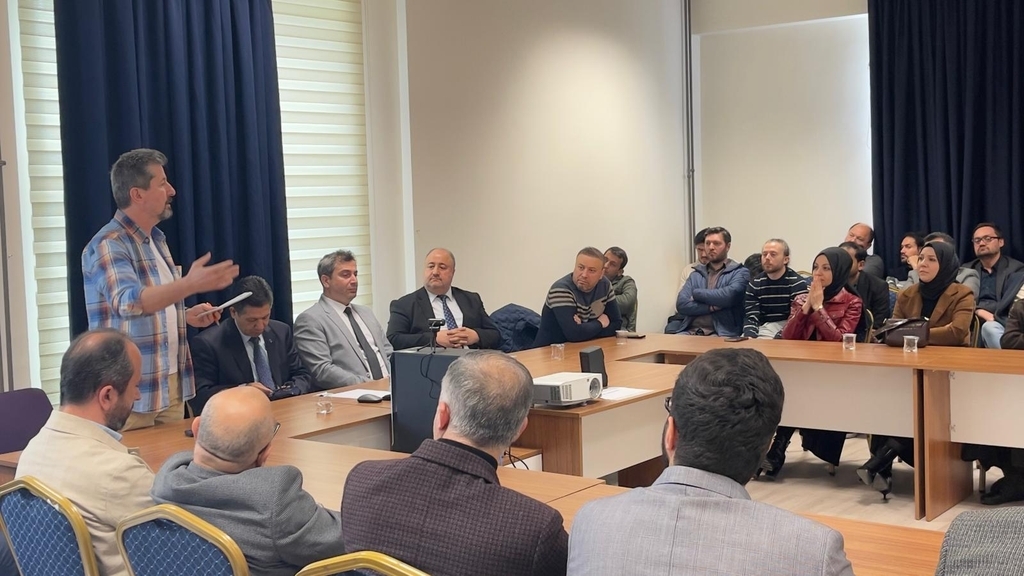
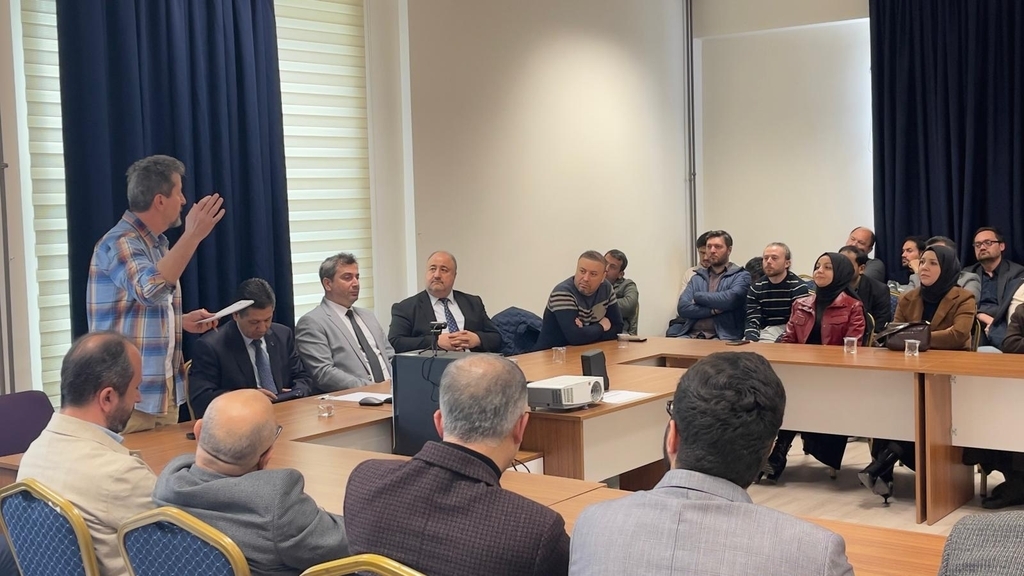
With the participation of all academic staff, this session focused on the sustainability of teaching quality and the student-centered approach.
Original Values, Universal Standards: PDCA and Documentation
Within the unique structure of the Faculty of Theology, the following key points were highlighted regarding the implementation of quality standards:
- Depth in Course Information Packages: It was stated that course content and learning outcomes should be updated to fully address students’ academic and professional competencies. The importance of documenting not only knowledge transfer but also its measurement methods (exams, seminars, applications) was emphasized.
- Institutional Memory and Evidence-Based Reporting: It was expressed that documenting every academic activity and improvement process is essential for fair assessment. Reporting was described not as bureaucratic workload but as “testimony documents” that make the faculty’s efforts visible.
- Excellence in Processes: It was agreed that process handbooks for academic and administrative operations should remain easily accessible as practical guides facilitating daily workflow.
“We do not want to confine quality within documents. We aim for every academic staff member to ask, in every action they take, ‘How can we do this better?’ so that quality becomes a living culture.”
— Prof. Dr. Zafer Ceylan (Vice Rector)
Collective Mind and Full Ownership
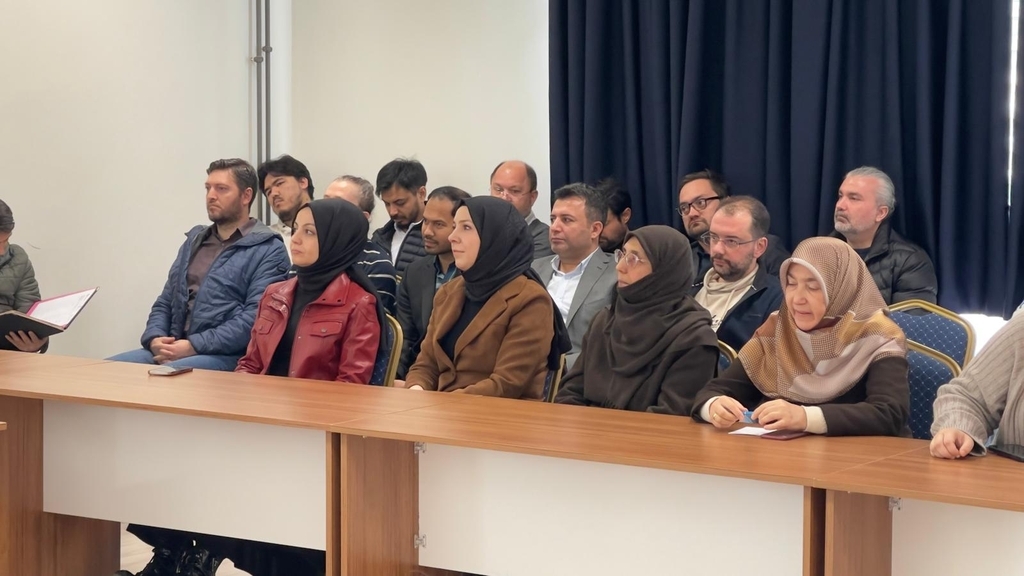
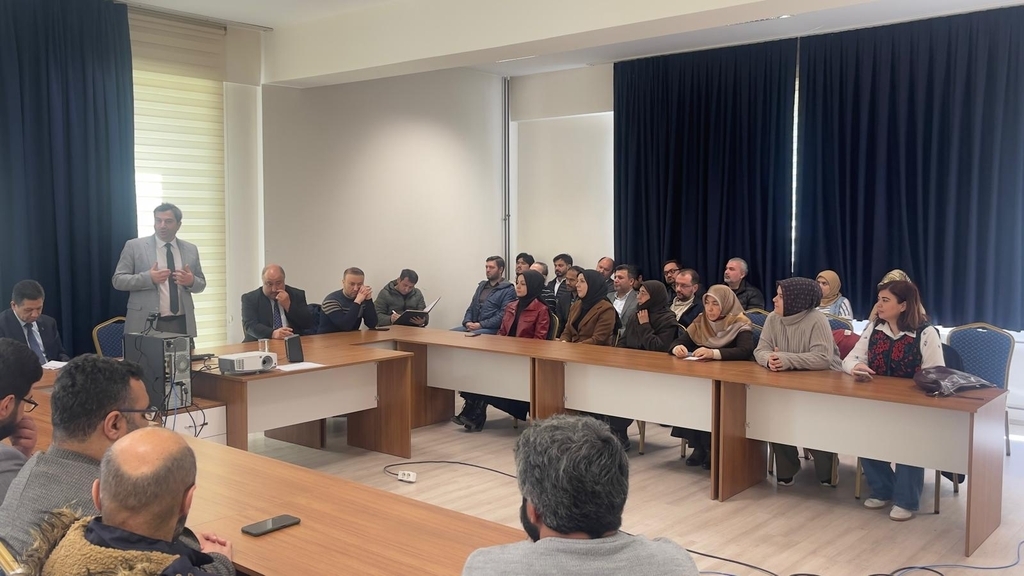
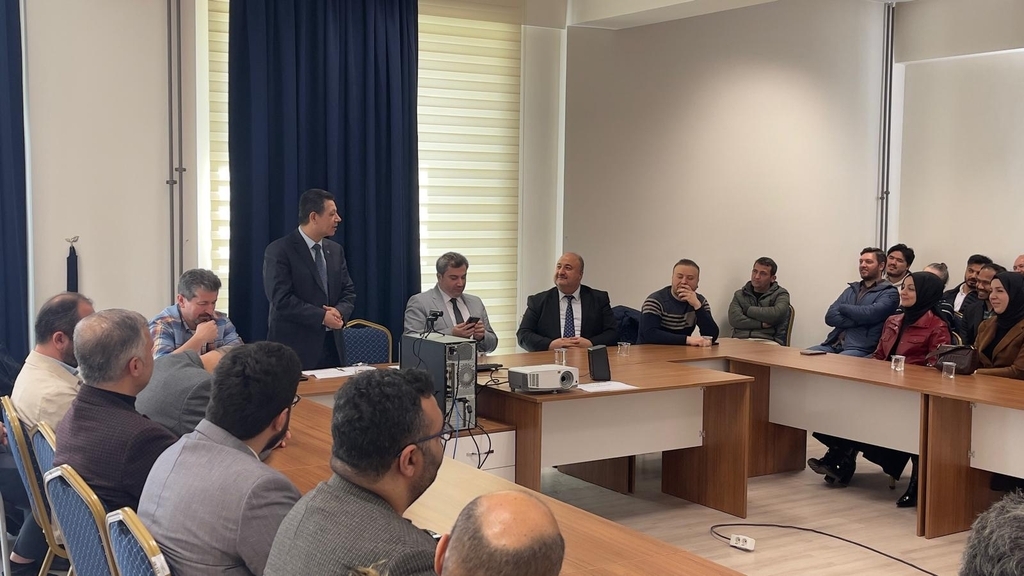
At the end of the session, the quality team answered questions from 37 academic participants and emphasized once again that accreditation is not an endpoint but a continuous journey of improvement. The strong engagement and sense of full ownership demonstrated by the Faculty of Theology staff reinforced confidence in our University’s 2026 goals.
Guidance and consultancy activities across the University will continue with other units according to the established schedule, contributing to a strong foundation for institutional excellence.
Ekler
Fotoğraflar